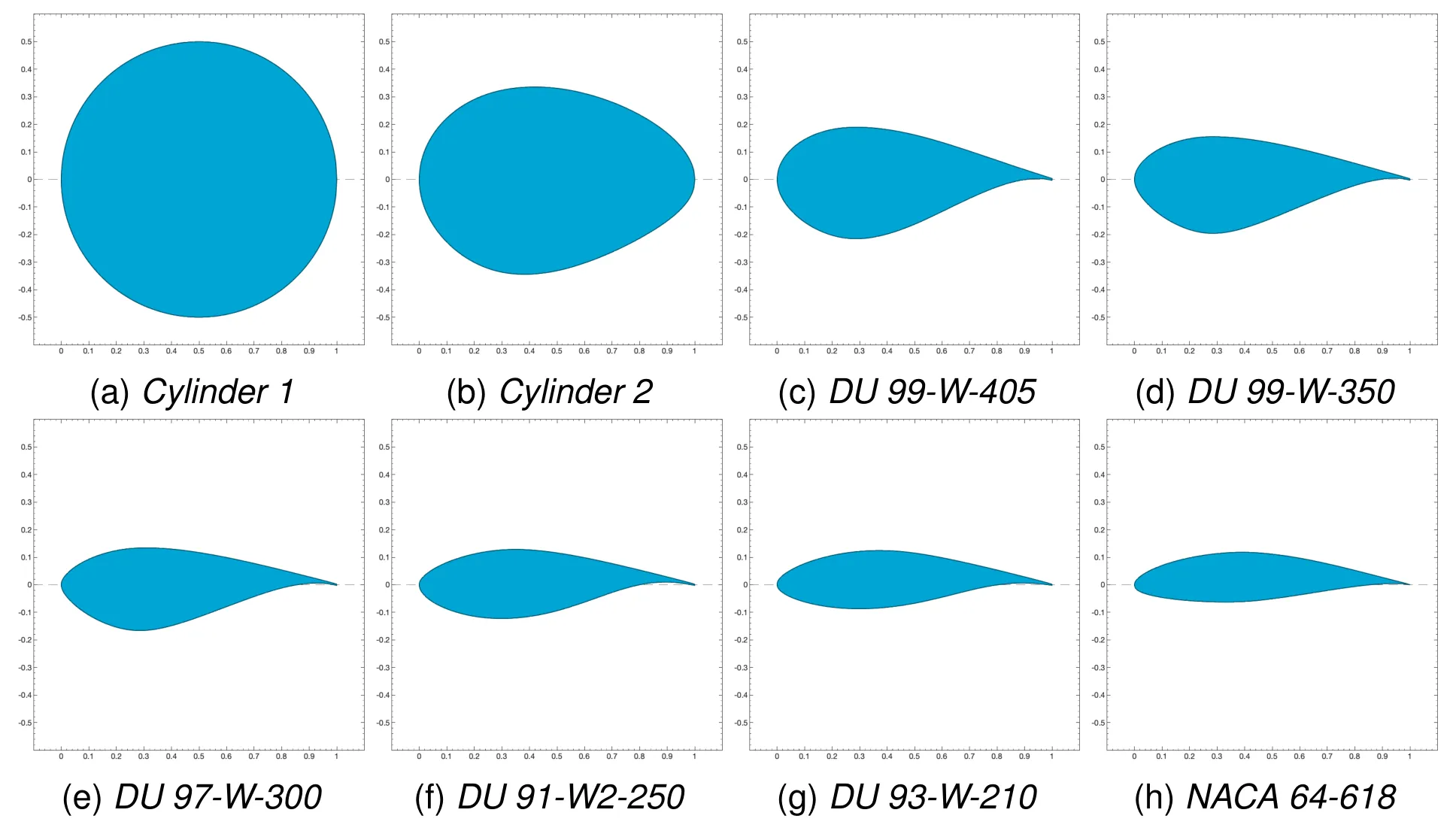
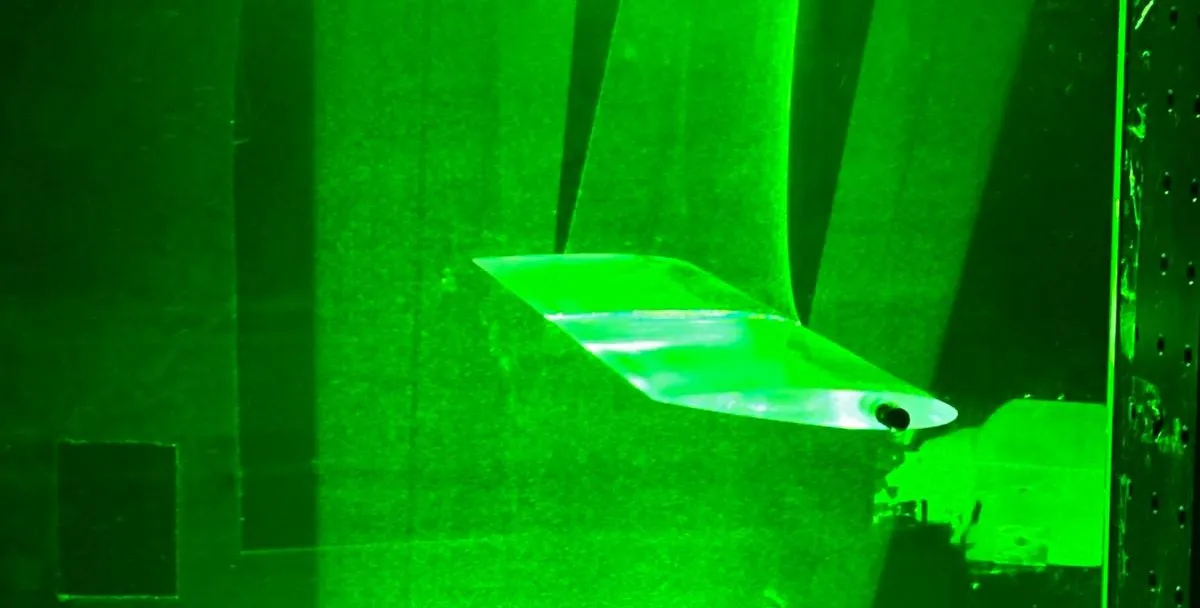
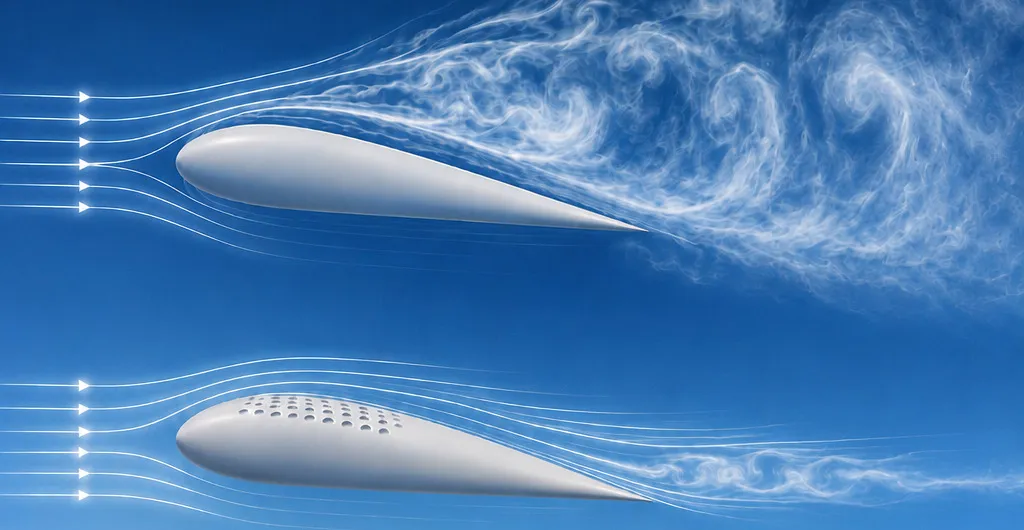
An MSc thesis on dimpled airfoils, combining wind tunnel campaigns at DTU and TU Delft, PIV, RANS and LES to map how dimple depth and placement change lift, drag and separation, and a pneumatic prototype whose dimple depth can be adjusted on demand.
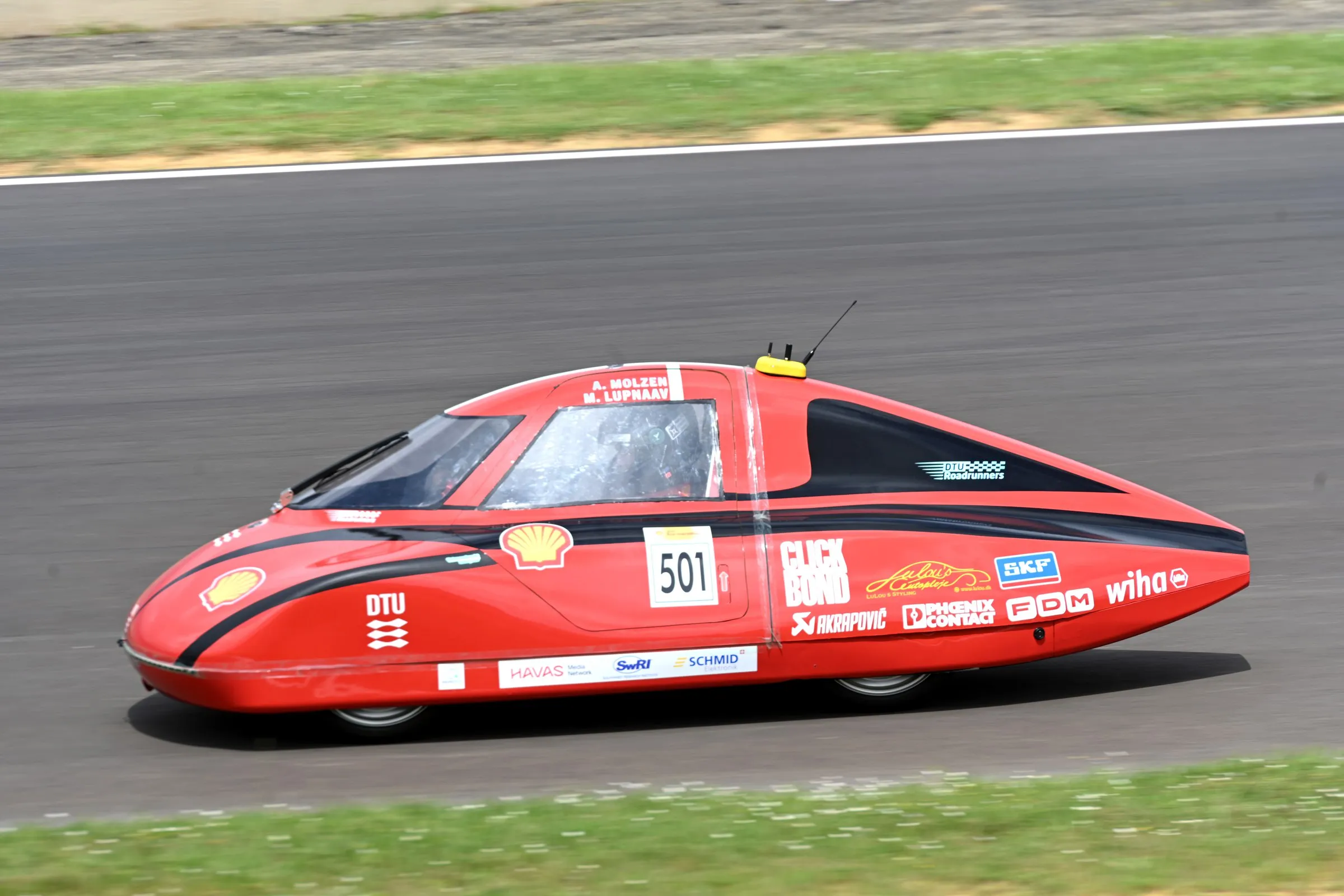
Testing and tuning of the Legacy single-cylinder engine for the DTU RoadRunners EcoCar, through engine and chassis dynamometer testing, ECU calibration of injection and ignition, and competition preparation for the Shell Eco-marathon.
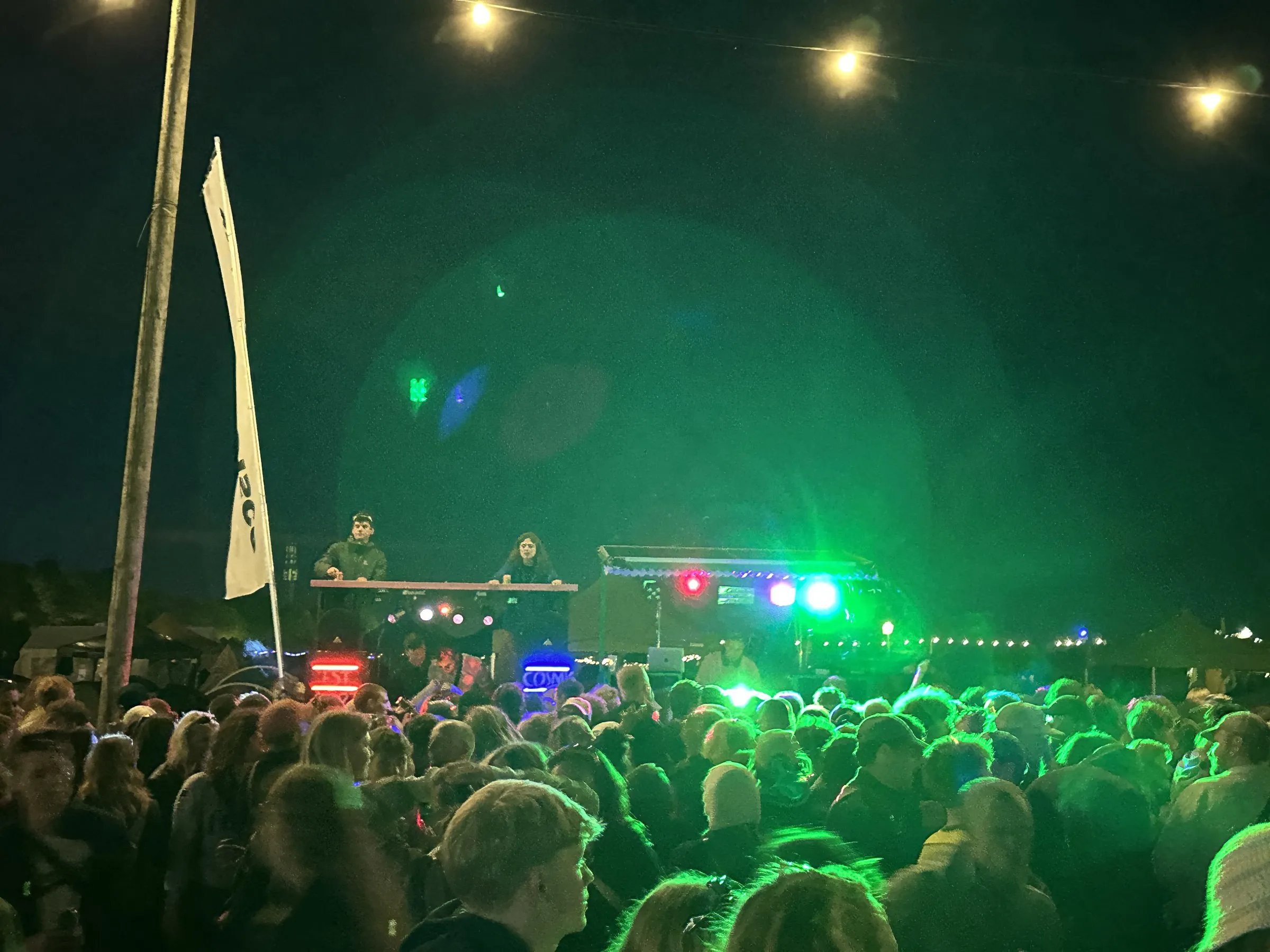
A progression of self-built sound systems, from a portable Boominator and Halfinator to two CUBO 15 subwoofers and a complete solar-powered mobile PA with amplification, DSP, battery power and lighting, in use at festivals since 2017.
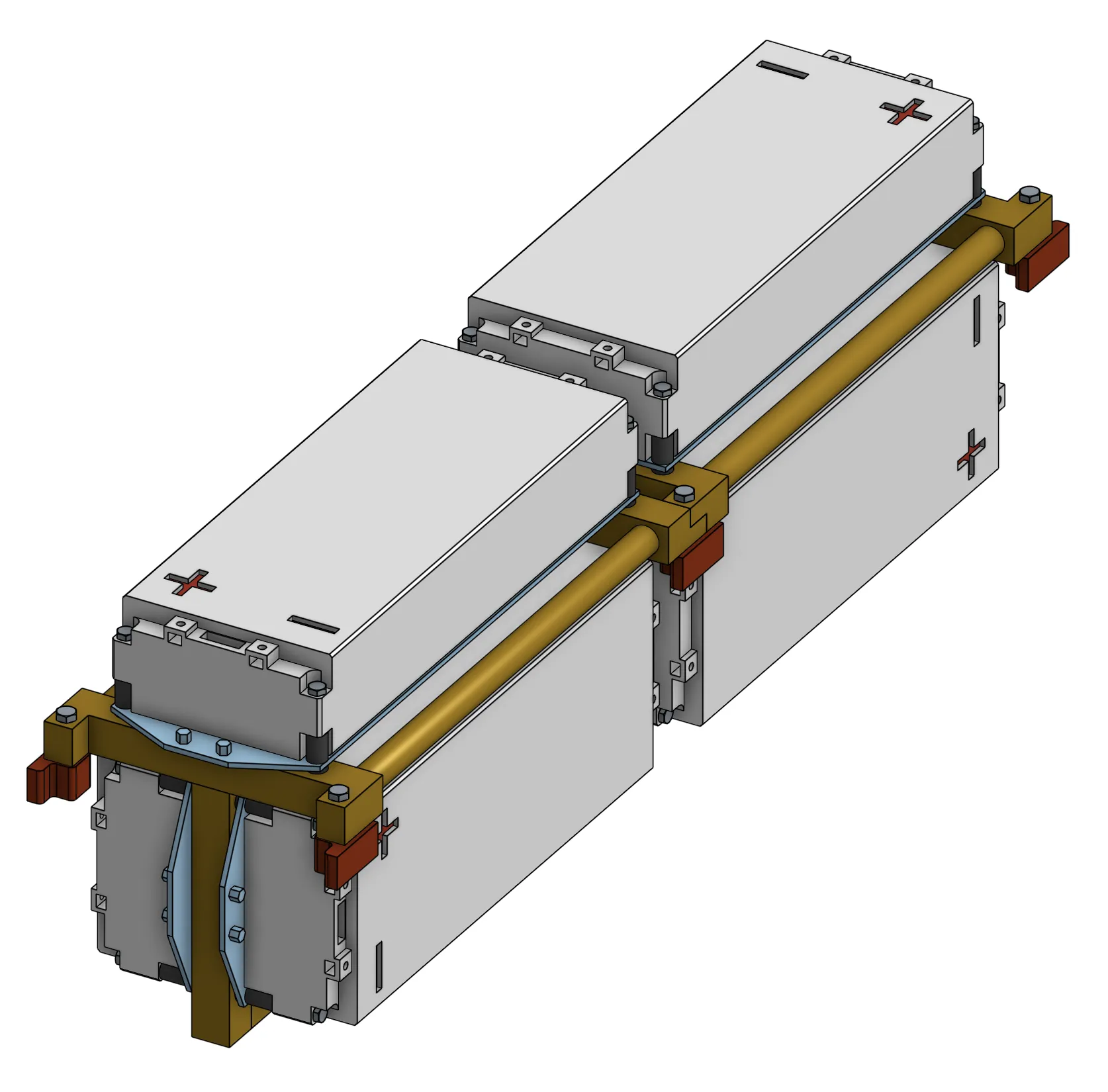
A welded aluminium battery frame for the DTU RoadRunners solar car, designed to hold six battery modules with their cooling plates, to survive the 20 G crash load required by the Bridgestone World Solar Challenge, and to keep the centre of gravity low.
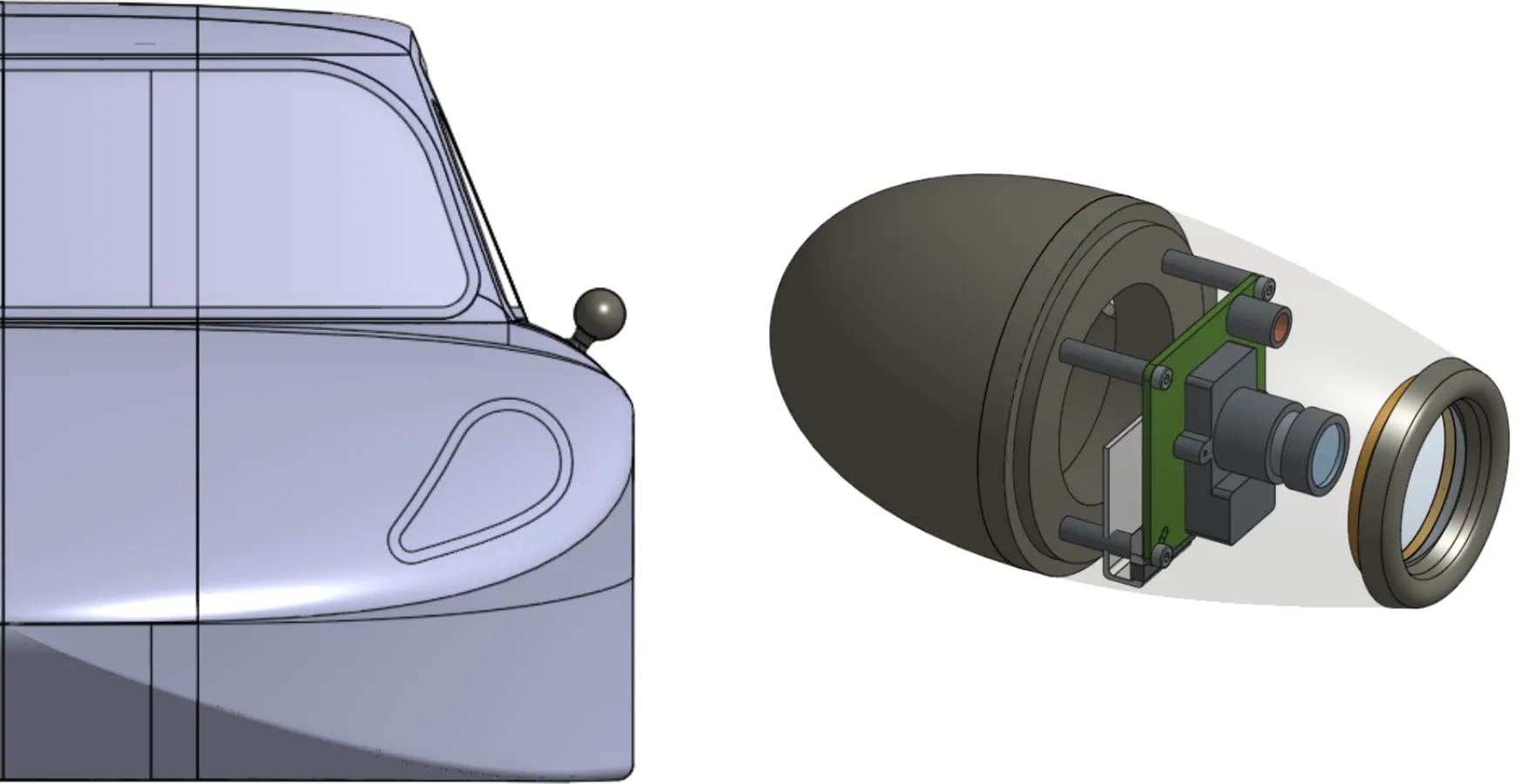
A camera-based side-view mirror for the DTU RoadRunners solar car, designed for minimum drag while meeting the UNECE regulations for road-legal vehicles: NACA profile study in CFD, two wind tunnel campaigns with 3D-printed and pressure-tapped models, and a working 3D-printed prototype.
The complete design of a 3.5 MW onshore wind turbine, from cost-optimised rotor sizing to control and certification loads, and an individual aeroservoelastic redesign of the DTU 10 MW reference turbine in HAWC2 to cut tower and blade loads.
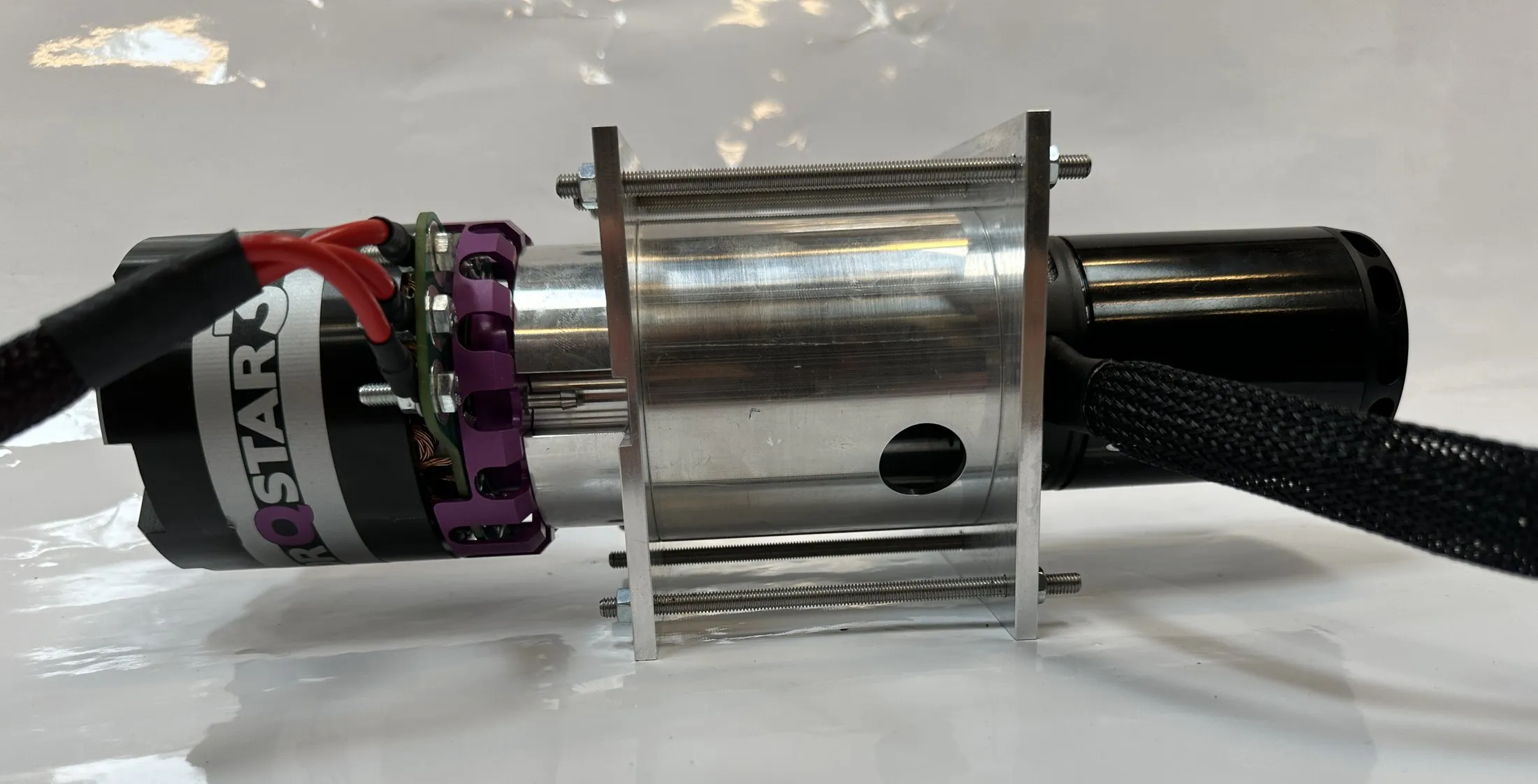
Selection of the drive motors for the DTU RoadRunners solar car: power and acceleration modelling in Python, a dual-motor configuration, a CNC-machined motor test stand, and virtual dyno efficiency maps of the candidate motors.
A self-written mixing-length solver for turbulent channel flow, validated against DNS, and OpenFOAM simulations of flow past a cylinder with k–ε, k–ω SST and DDES, including a 12-mesh sensitivity study.
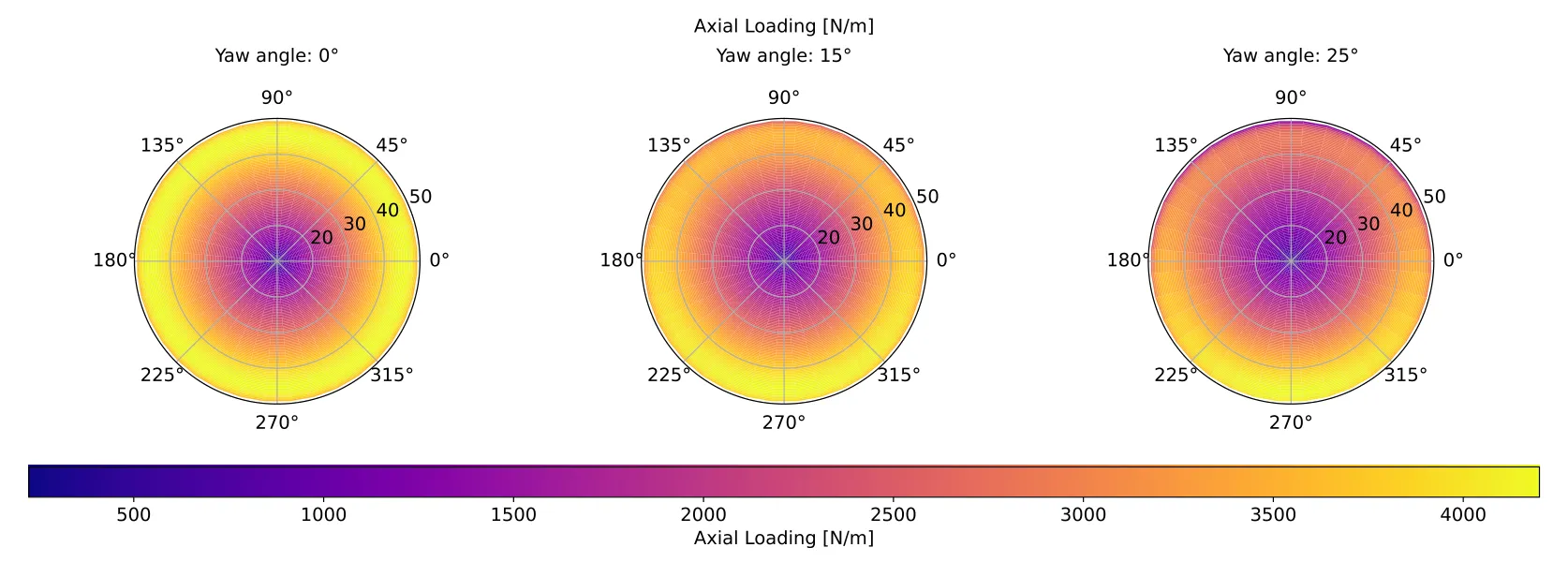
Blade Element Momentum and lifting-line codes for a wind turbine rotor, built from the ground up: tip and root loss corrections, yawed inflow, a frozen vortex wake solved with the Biot–Savart law, and convergence studies comparing the two methods.
Wind tunnel and jet experiments with hot-wire anemometry, particle image velocimetry, multi-hole pressure probes and surface pressure taps: from vortex shedding and turbulence scales to a direct comparison of three techniques in one airfoil wake.
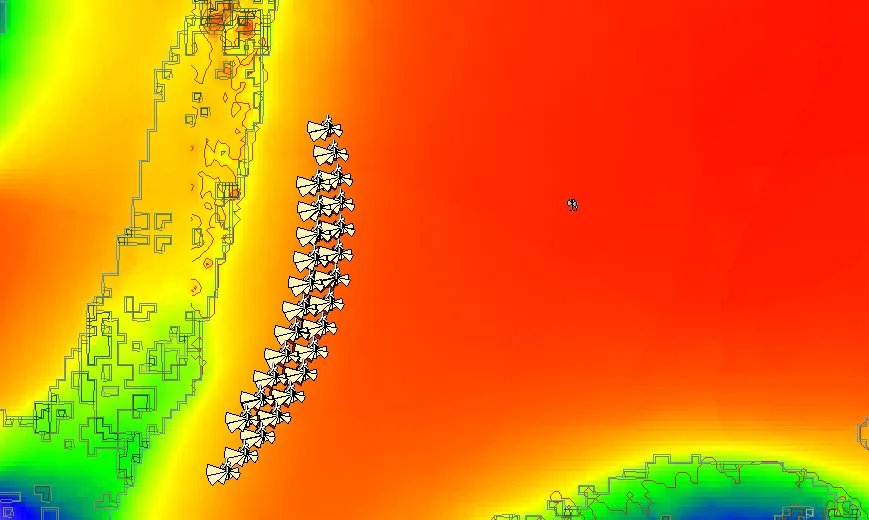
A feasibility study for a 216 MW near-shore wind farm south of Omø: wind resource assessment, layout and IEC site assessment in WAsP and WAT, energy yield with losses and uncertainties, grid connection and economics.
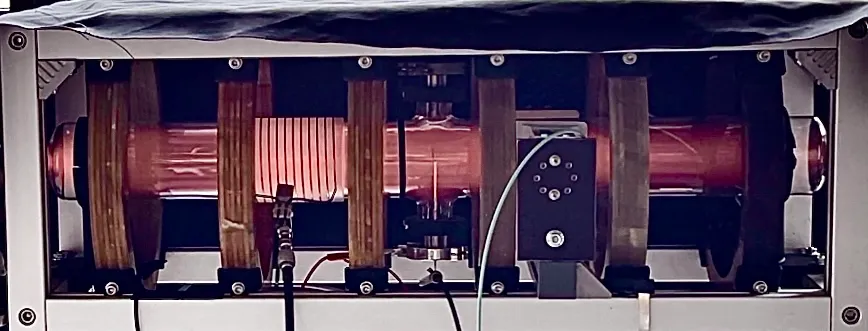
A non-invasive microwave transmission experiment on DTU's PACE plasma device: two horn antennas send microwaves through a magnetised argon plasma, and the frequency at which the waves stop getting through gives the electron density, estimated at about 10¹⁶ m⁻³.
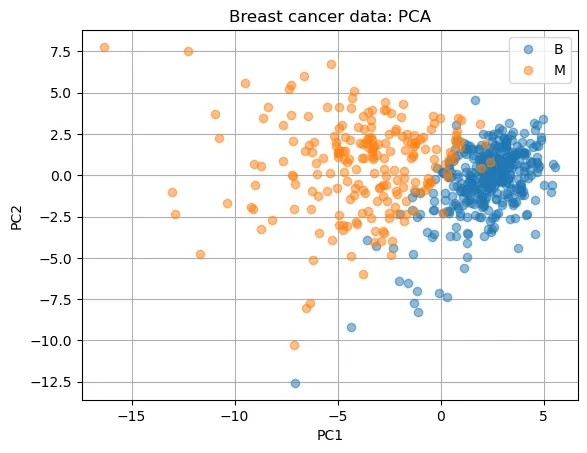
Exploration, regression and classification of the Wisconsin Breast Cancer dataset, comparing a neural network, regularised linear and logistic regression and a baseline through two-level cross-validation and statistical tests. The neural network classified tumours as benign or malignant with 97.4% average test accuracy.
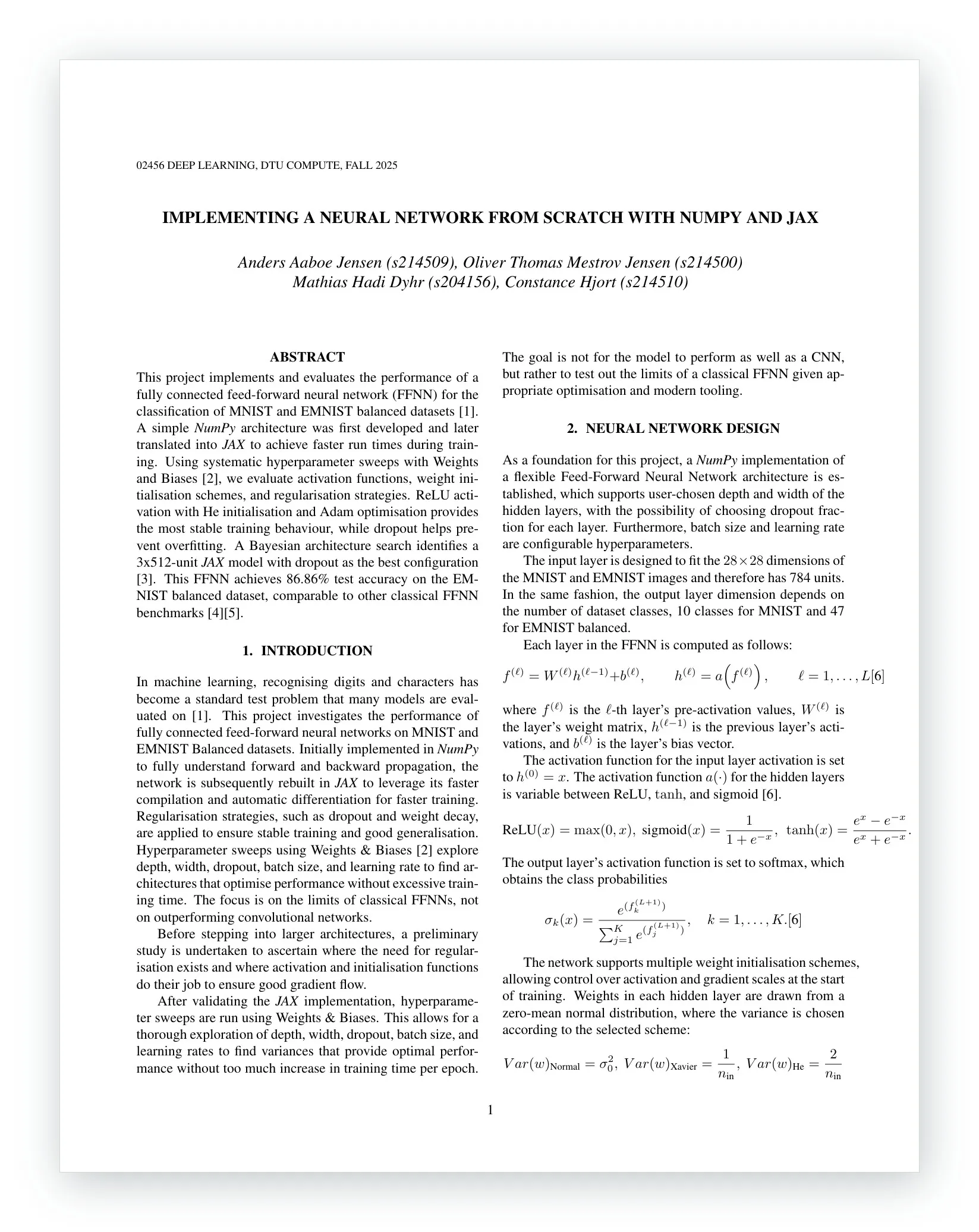
A fully connected neural network written from scratch in NumPy, ported to JAX for up to 4.2× faster training, and tuned through hyperparameter sweeps to 86.86% test accuracy on the 47-class EMNIST Balanced dataset.
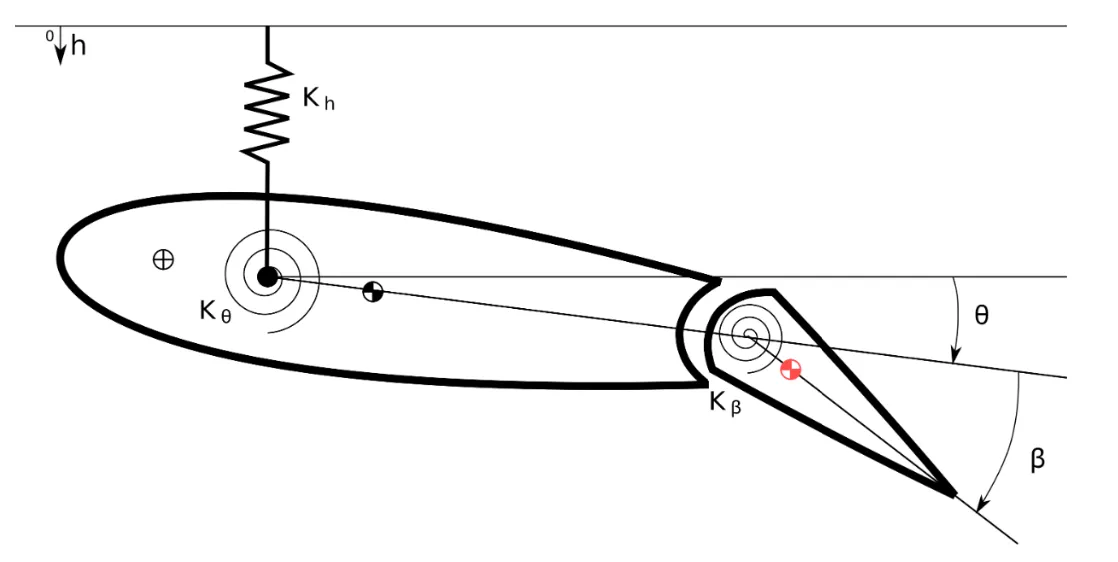
An individual model of a three-degree-of-freedom airfoil section with a control surface, built from first principles in Python to predict divergence, control reversal and flutter. The predicted flutter speed agrees with a NASA reference to within 1%.
 P01